
Blog Post #47
Little You: Understanding
Your Nervous System
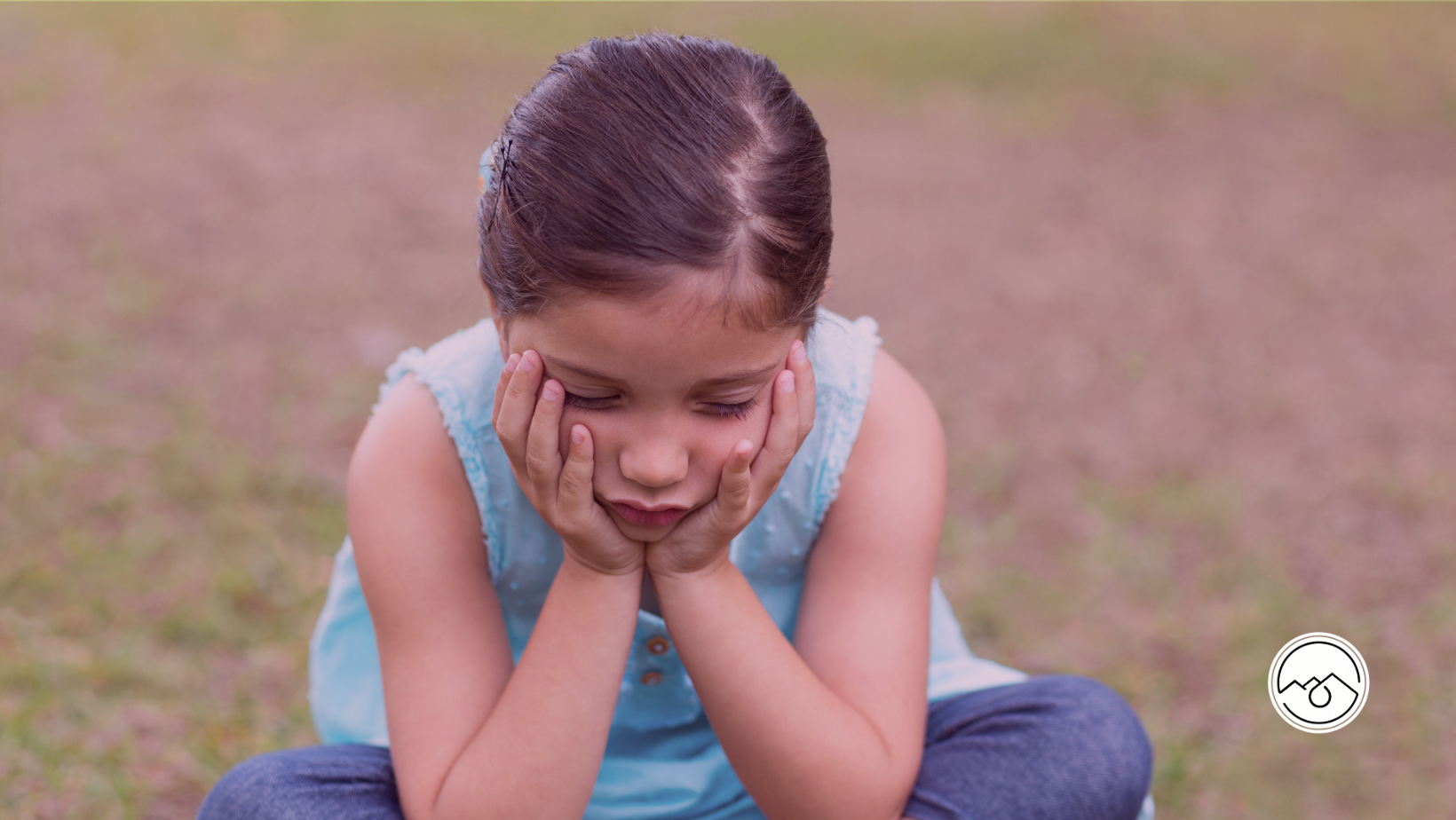
You’ve carried personal power your entire life, but if you grew up learning that your worth depended on someone else’s approval, that power slowly slipped out of your hands. This is where little you comes in—the younger version of you who never received the co-regulation, guidance, or emotional safety she needed. She did the best she could with an underdeveloped brain and overwhelmed caregivers, many of whom were still trying to figure out their own worthiness.
We learned early to work for love.
As babies, our survival depended on co-regulation—being held, rocked, soothed, fed, and comforted. We also learned that smiling made people smile back. Without knowing it, we began chasing that external validation:
Am I doing it right? Do you still love me? As expectations grew, many of us didn’t have someone to nurture our nervous system through frustration, hurt, or overwhelm. So those big emotions never had a safe place to go.
Unprocessed stress gets stored in the body.
When a child enters fight-or-flight with no one to help them discharge all that energy, the nervous system holds onto it. The psoas muscle tightens; the stomach knots. The chest feels heavy. As adults, this shows up as anxiety, dread, people-pleasing, perfectionism, or a constant sense that something is wrong. Your brain isn’t predicting danger; it’s remembering past moments when love felt uncertain.
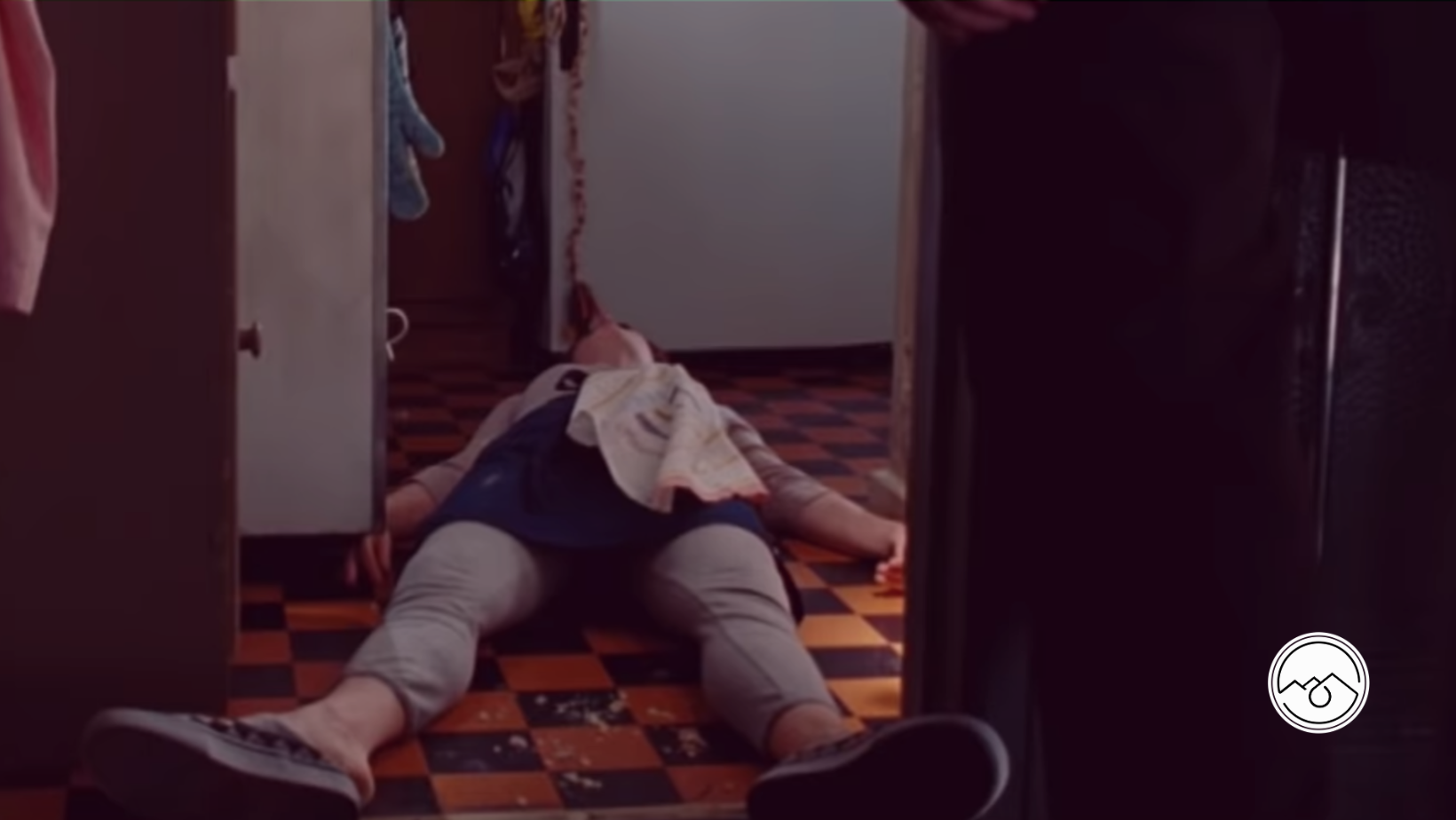
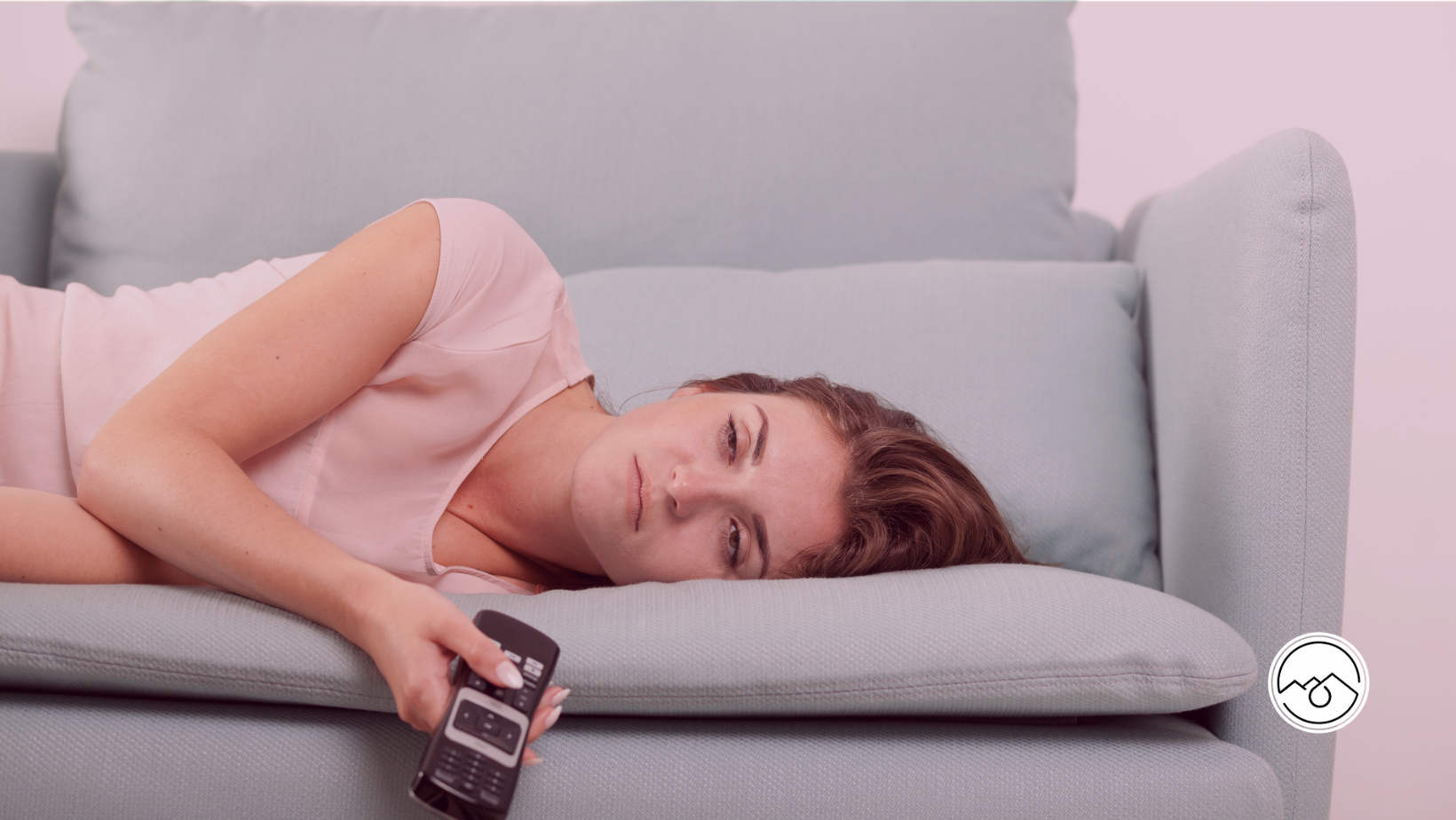
When emotional overload becomes exhaustion.
If activation stays high for too long, your system eventually shifts into dorsal mode, the dip that feels like burnout, numbness, or “I don’t care.” It’s not brokenness. It’s your biology protecting you. Depression isn’t a life sentence; it’s a hibernation state your nervous system enters when it can’t keep running at full speed. The moment you understand how you got there, you begin finding your way out.
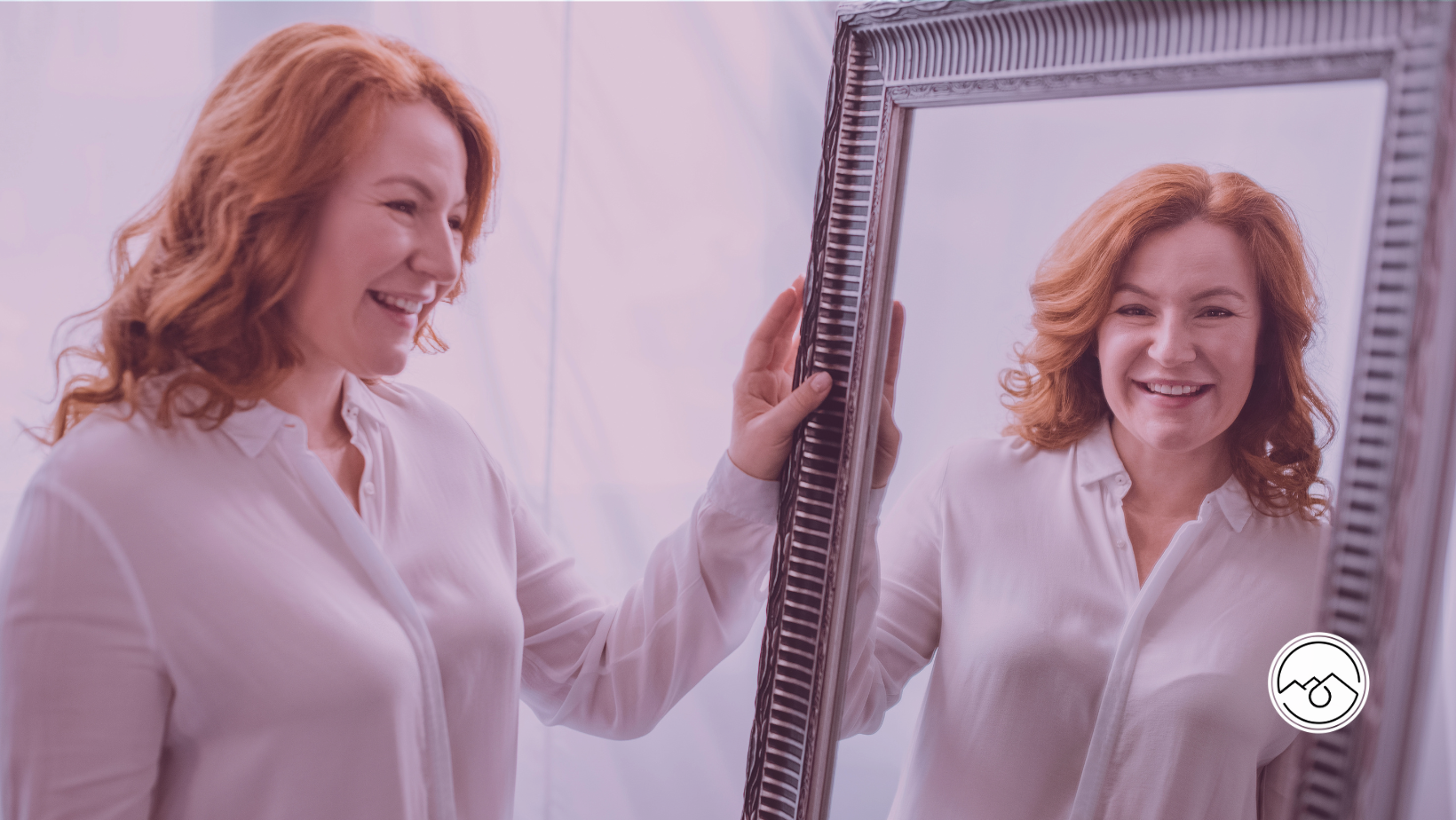
Your nervous system is a partnership between little you and big you.
"Little You" reacts from fear, shame, or old patterns.
Big you, the woman you’ve grown into, is wise, grounded, and capable of asking, Why am I triggered? Why am I afraid to disappoint someone? Why am I shrinking or over-giving?
That awareness is your power. Every trigger is "Little You" whispering, “Please see me. Please help me.” She isn’t dramatic; she’s desperate for the support she didn’t receive back then.
The biggest breakthrough women have is realizing they are not in trouble.
So many of us grew up feeling like one wrong move meant losing love. Today, even small moments can activate that same fear. But that threat isn’t here anymore. When you pause and tell yourself,
I’m safe, "Little You" finally exhales. She needs you to show her the difference between the past and the present.
You are now the nurturer she needed.
This is the heart of self-love, not bubble baths or escape tactics, but showing up for your own emotions with presence instead of abandonment. You re-parent yourself by noticing your needs, tending to your body, offering comfort, and grounding yourself when you feel activated. When big you reaches for little you and says, “I’ve got you,” the nervous system recalibrates. Truth and light move in. Safety rises.
Breaking generational patterns begins with you.
If you have children, they don’t need a perfect mother—they need a present one. You break the pattern not by fixing the past, but by meeting this moment with awareness. One moment of self-presence at a time shifts the trajectory of your lineage.
You were born with love and light.
Your nervous system wasn’t conditioned with fear at birth. It learned those patterns through survival. And now, you have everything you need to unlearn them. When you come back to the present, support yourself, and regulate "Little You", you reclaim the personal power that has always been yours.
If this speaks to you, you’re not alone. And if you want deeper support, you can reach me at teresafordcoaching@gmail.com.
Note: You can access the full blog content in audio versions on Spotify and YouTube. Happy listening! 🎧
.
.
.
#somatic #somaticpractice #nervoussystemregulation #nervoussysemhealing #nervoussystemhealth #traumainformed #emotion #stressrelease #traumarelease #stressrelief #somatichealing #sympatheticnervousystem #rest #relaxation #overstimulated